
How to sleep after labiaplasty | Dr. Shiva Madani

How to sleep after labiaplasty operation
07/23/1404


One of the most important points of care after labiaplasty is how to sleep properly in the first days and weeks. Many patients think that the rest period only includes avoiding physical activities, while the sleeping position also plays a direct role in the healing process and preventing inflammation.
Sleeping in the wrong position can cause pressure on the surgical area, stretch the stitches and increase swelling. Doctors recommend that in the first weeks after the operation, the patient should sleep on his back and avoid direct contact of the surgical area with the bed or pillow. Using a soft pillow under the knees helps to reduce pressure in the pelvic area and improve blood flow. Following these simple but vital points can shorten the recovery period and minimize the possibility of complications such as pain, swelling or infection. If you've recently had labiaplasty, knowing how to sleep properly will make a big difference in how comfortable you feel and how quickly you heal.
How to sleep after labiaplasty operation
After labiaplasty, the body needs time and careful care to fully recover. Many patients think that the recovery period is only related to rest or medication, while the way you sleep is one of the most important factors in preventing inflammation, suture stretching, and a faster return to the normal state of the body. Improper sleeping position can affect all surgical efforts. Therefore, it is very important to know the principles of sleeping properly after labiaplasty.
In the first weeks after surgery, the best sleeping position is to sleep on your back and on a bed with a smooth and soft surface. In this situation, there is no direct pressure on the surgical area and the body is in the most relaxed state possible. It is better to prevent the contact of rough clothes or bedclothes with the wound area and to choose light and loose cotton pajamas. The body repairs damaged tissues during the night, so the sleeping position can determine the speed of repair.

The best sleeping position after surgery
Doctors recommend that the patient only sleep on his back in the first two weeks after the operation. In this case, the spine is straight and the pelvis bears less pressure. If it is difficult for you to sleep in this position, you can put a small pillow under the knees to fill the lumbar cavity and put the body in a natural position. In addition to reducing pressure, this work also helps to improve blood circulation.
Sleeping on your back after labiaplasty
The arched position or lying on the back is the safest position for the first days after the operation. This position allows the genital area to remain completely free and not have physical contact with the surface of the mattress. If you have a habit of moving a lot in your sleep, using a pillow on both sides of your body can prevent you from turning suddenly in your sleep. Maintaining this condition during the first week will minimize the inflammation of the wounds and the stitches will bear less pressure.
Sleeping on your side after surgery
Sleeping on your side is not recommended in the first days after the operation, because it causes one-sided contact of the surgical area with the bed and increases the possibility of pulling the stitches. But after about two weeks, when the swelling has subsided, you can carefully sleep on your side with a soft pillow between your legs. If you feel pain, burning or stretching while sleeping, change your position immediately. The body itself is the best indicator of readiness.
Sleeping on your stomach after labiaplasty
Sleeping on your stomach is one of the worst positions during recovery. This position puts direct pressure on the genital area and can damage the sutures and healing tissues. Even after a few weeks, it is better to avoid this situation until the tissues are completely stabilized. If you have a habit of sleeping on your stomach, use large pillows to limit body rotation so you don't accidentally end up in this position during the night.
Duration of restrictions on side sleeping
The duration of side sleeping prohibition is usually between 10 and 14 days. Of course, this time is different depending on the type of operation, the amount of cut and the speed of tissue repair in each person. In some patients with a quick recovery, the doctor may allow them to sleep in this position from the second week onwards with caution. But in patients with severe swelling or sensitive sutures, this time may be longer. The final decision should always be made with the opinion of the surgeon.

Using a pillow under the knees when sleeping
One of the key points to improve the sleeping position is to use a soft pillow under the knees. This reduces tension in the thigh and pelvic muscles and positions the surgical site higher than the heart, which helps reduce swelling. This simple but effective method is recommended by many doctors for the period after labiaplasty. If you feel pain in the lower back, you can place another pillow under the lower back.
The type of pillow suitable for sleeping after surgery
The pillow should be soft, hypoallergenic and washable. Medical memory foam pillows are an ideal choice because they adapt to the shape of the body and create uniform pressure. If your skin is sensitive, use a cotton pillowcase. Also, it is better to use long pillows on both sides of the body to avoid sudden turning while sleeping. The quality of the pillow and the position of the body have a direct effect on the feeling of pain and the quality of your sleep.
Room temperature when sleeping
The bedroom temperature should be moderate; Neither too hot nor too cold. High heat causes sweating and increased humidity in the surgical area, which can increase the risk of infection. The ideal temperature is between 20 and 23 degrees Celsius. Adequate room ventilation, air circulation, and the use of clean and dry sheets help improve sleep quality and prevent skin irritation. Sleeping in a cooler environment usually relaxes the body more.
Suitable clothes for sleeping after surgery
During the recovery period, you should use light and loose cotton pajamas so that the surgical area can breathe. Tight or artificial clothes cause friction, irritate the wound and even delay healing. Avoid wearing tight pants or underwear while sleeping, unless your doctor has approved it. The body has the most opportunity to repair itself while sleeping, and the slightest pressure or excess heat can disrupt this process.
How to keep the area dry while sleeping
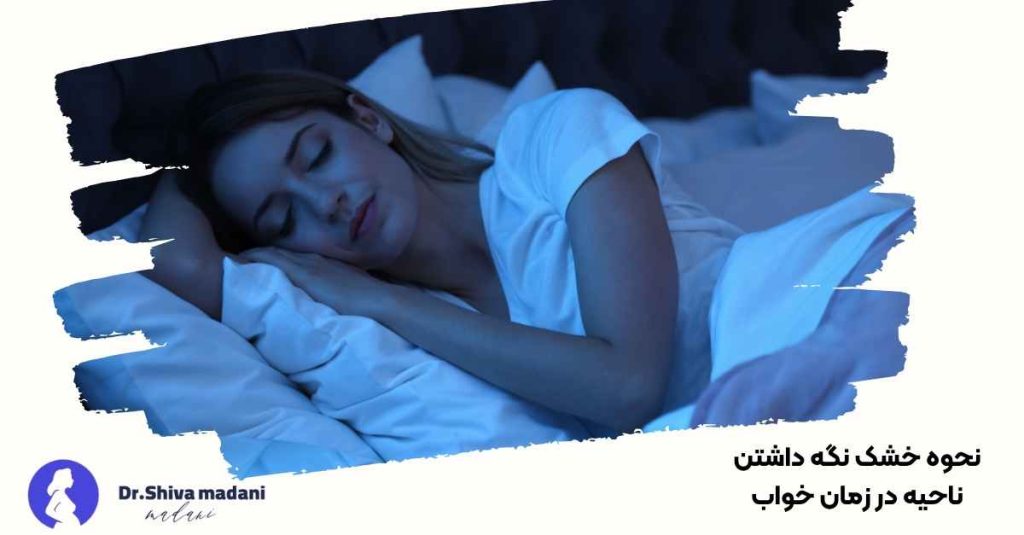
Keeping the surgical area dry while sleeping is one of the most important principles of infection prevention. Before going to bed, it is better to wash the area gently with lukewarm water and according to the doctor's opinion, and then dry it with a soft towel without pressure. Remaining moisture in the tissue can create a suitable environment for the growth of bacteria and cause irritation or itching. Sleeping in light cotton clothes without underwear helps air circulation and prevents night sweats. This simple but effective work plays a significant role in the speed of wound healing.
Sleeping with or without underwear
Many patients ask their doctor if they can wear underwear while sleeping. The answer depends on the healing rate of the wound and the individual's condition. In the first weeks, it is usually recommended to sleep without underwear to allow air to circulate around the area and allow the skin to breathe. This reduces the possibility of inflammation and swelling. In later stages, very loose, cotton underwear can be used to minimize contact with the sutures. Comfort and proper ventilation are the keys to health and relaxation in sleep.
How to sleep without pain
To experience pain-free sleep after the operation, you should observe a calm sleeping environment, the right temperature, and the right body position. Before going to bed, you can use a cold compress or a prescribed pain reliever to reduce pain and irritation. A pillow under the knees, a soft mattress and cool air help the body to feel more comfortable during the night. Also, drinking a glass of lukewarm water or a natural soothing tea such as chamomile can calm the nervous system and provide a deeper and more restorative sleep.
Use of painkillers before sleep
If the pain prevents you from sleeping peacefully, it is safe to use painkillers as prescribed by your doctor. Simple medications such as acetaminophen or ibuprofen are usually sufficient. Avoid stronger over-the-counter medications, as they may cause dryness or poor quality sleep. It is better to take the medicine 30 minutes before going to sleep so that its effect works in a gentle and effective way during rest. It is important to remember that medicine is only a temporary relief and is not a substitute for proper physical care and proper nutrition.
The importance of adequate sleep in wound healing
Night sleep is an opportunity for the body to regenerate damaged cells. During the recovery period after labiaplasty, lack of sleep can slow down the healing process and weaken the immune system. During deep sleep, the body secretes more growth hormone and repair factors. Therefore, regular and deep sleep is as important as medicine and nutrition. Setting the bedtime, reducing caffeine consumption in the evening and turning off the mobile phone before going to bed will help a lot to get a better quality of rest.
Bed hygiene after surgery
Sheets and pillows should always be clean and dry. Weekly washing with hypoallergenic detergents and complete drying in the open air is the best way to prevent bacterial contamination. It is necessary to change the pillowcase frequently, especially in the first weeks, because the contact of skin oil or body secretions with the fabric can irritate the area. The cleaner the sleeping environment, the less likely inflammation and infection will occur. Observing this simple point can also have a positive effect on the mental peace of the patient.
Using the right mattress
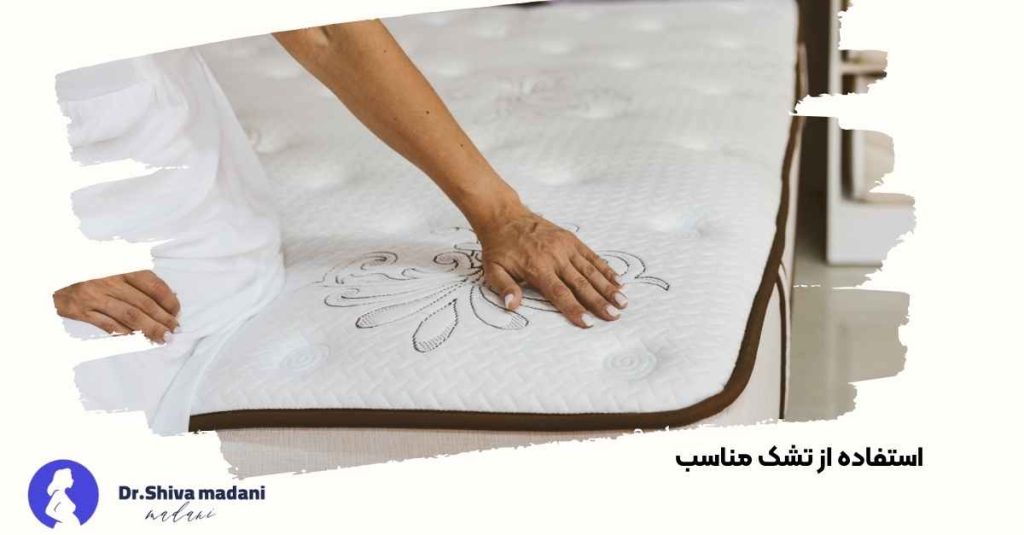
The mattress should have a balanced surface between softness and firmness. Mattresses that are too hard put direct pressure on the pelvis, and on the other hand, mattresses that are too soft cause the body to sink and stretch the surgical area. The best options are orthopedic or memory foam mattresses that take the shape of the body and distribute the pressure evenly. If your current mattress is too old, you can use a soft protective layer on it to reduce body contact with the hard surface.
How to get out of bed
Getting up from the bed after the operation should be done carefully so as not to put sudden pressure on the muscles and stitches. First, turn the body to the side, then place your hand on the bed and sit slowly. After a few seconds, stand up on your feet. Avoid quick movements and sudden bending. It is better to place a small chair next to the bed so that if you need a short rest, you can use it without sitting down. This simple method prevents stitches from stretching.
Daily rest in semi-sleeping position
In the first days after the operation, the body needs to balance between absolute rest and movement. Resting half-lying, with a few pillows behind your back, is a great way to reduce pelvic pressure and increase blood flow. In this position, you are neither completely lying nor sitting, and the body is in a natural position. Reading or listening to soft music in this state calms the mind and reduces stress, which is an effective factor in healing wounds faster.
The amount of time needed to sleep comfortably
Complete comfort during sleep usually returns from the third or fourth week after labiaplasty. At this time, the swelling will decrease and the stitches will be absorbed. However, each body has a different recovery speed and there should be no rush to return to old habits. If you still feel discomfort or burning, use the same arched position and allow the body to heal naturally. Relaxation, patience and following the doctor's recommendations are three key factors in restoring normal sleep after surgery.
Warning signs during sleep
Sometimes the body shows signs during rest that should not be ignored. Severe pain, a throbbing sensation in the suture area, discharge with an unusual odor, or frequent awakenings due to burning are signs that require medical attention. These symptoms may indicate inflammation or infection, and early medical attention can prevent more serious problems. Sometimes patients think that such pains are normal, but any sudden change in the intensity or type of pain requires specialist investigation. Listening to the body and respecting its messages is part of the healing process.
How to prevent stitches from opening while sleeping
One of the common concerns after the operation is the possibility of the stitches opening while sleeping. To prevent this from happening, sudden movements and rapid turning of the body should be avoided. Using side and restricting pillows on both sides of the body helps to keep the position stable. Soft and loose clothes also prevent the sudden stretching of the skin in contact with the fabric. If you feel that the stitches are under too much pressure, change your position immediately or rest for a few minutes in a semi-sitting position. Stitches are usually absorbed within two weeks, but it is vital to protect them during this time.
Using a cold compress before sleeping
One of the effective ways to reduce pain and swelling at night is to use a cold compress before going to bed. Putting an ice pack or cold pack on the area, indirectly and with a thin cloth, reduces inflammation. However, direct contact of ice with the skin is prohibited because it can damage sensitive tissue. The duration of use should not exceed 10 minutes. The cold compress helps to improve the quality of sleep and creates a feeling of relaxation and lightness in the body. This simple method has a significant effect on the healing process, especially in the first week after the operation.
Night diet for better sleep
The foods you eat before sleep have a direct effect on the quality of rest and the wound healing process. The evening meal should be light, healthy and full of anti-inflammatory substances. Consuming fish, vegetable soup, natural yogurt or a cup of soothing tea can be very good choices. Avoid eating fatty, spicy or salty foods at night, because they increase body temperature and perspiration. It is also important to drink enough water during the day and avoid too much liquid before going to bed so that you don't have to get up frequently during the night. Proper nutrition gives the body the necessary energy to repair at night.
How to wash the area before sleeping
Keeping the surgical area clean before going to sleep is one of the vital principles of care. At the end of the day, the area should be gently washed with lukewarm water and dried with a clean, soft towel. The use of perfumed or alcoholic detergents is prohibited because they can irritate the skin. After washing, allow the area to air for a few minutes to dry completely. If your doctor has prescribed a restorative ointment or cream, use it at the same time and with completely clean hands. Night hygiene prevents infection and accelerates the repair of stitches.
Return to normal sleep after recovery
Most patients can return to their normal sleeping position after three to four weeks. At this time, the tissues of the surgical area have become sufficiently resistant and the risk of direct pressure is much less. However, it is recommended to avoid prolonged stomach sleeping even after complete recovery. Your body may feel a little stiff or sensitive in the early days of returning to normal sleep, which is normal. Let the changes happen gradually so that the body adapts to the previous states again.
Common mistakes when sleeping after labiaplasty
One of the common mistakes is returning early to the wrong sleeping positions. Many patients return to their previous positions as soon as the pain subsides, and this may cause re-swelling or stretching of the stitches. Using a hard mattress, tight clothes, or ignoring the ambient temperature are other common mistakes. Some people use warm compresses instead of cold ones, which is wrong and increases inflammation. The more patient and careful the recovery period is, the more natural and beautiful the final result will be.
Doctor's tips for restful sleep and faster recovery
Doctors emphasize that mental relaxation, healthy nutrition and adequate sleep are the three main pillars of recovery after surgery. Before going to bed, take a few deep breaths and clear your mind of worries. Using natural teas such as chamomile or lavender can help relax the body. Turn off the cell phone or TV at least half an hour before going to sleep so that the nervous system can rest. Soft light, cool air and the relative silence of the environment also have a great effect on the depth of sleep. Caring for the body will not be complete without mental peace, so pay attention to your inner peace.
final summary
How to sleep after labiaplasty, contrary to its simple appearance, is a vital part of the treatment process. Observing the correct body position, choosing the right clothes and mattress, adequate ventilation and taking care of the stitches, all help the body to have the best restorative function during rest. Listening to the body, avoiding sudden movements and following the doctor's recommendations, not only reduces the possibility of complications, but also makes the final result of the surgery more accurate and natural. Finally, if you have a calm mind and enough sleep in addition to physical care, your body will repair itself beautifully and powerfully. href="#">
Write your opinion Cancel Answer
Latest Articles
Care after vaginal RF
07/23/1404

blog Women's beauties Services Stay updated by subscribing to our newsletter
Stay updated by subscribing to our newsletter
مقالات دیگر از Dr. Shiva Madani Hosseini

Endometriosis from diagnosis to treatment
What is endometriosis? Replacement of the tissue of the inner wall of the uterus in other areas of the body is called endometriosis. There are four theories about the cause of endometriosis: ۱- اندوم...

Hymen or hymen
### Hymen or hymen Hymen is a membrane that covers the opening of the vagina. This word is a Greek word and is derived from the name of the goddess of marriage. In the initial embryonic stage, there...

Injection of gel into the vagina
One of the most common methods of vaginal rejuvenation is **injection of gel into the vagina**, due to women's satisfaction with the result of the operation, the demand for doing it is increasing. Pre...

Pain and swelling after labiaplasty
All people who do labiaplasty experience pain and swelling in the operation area, and this is completely normal. The swelling and inflammation that occurs after labiaplasty and its severity can be lo...

Suitable people for labiaplasty
What is labiaplasty? Labiaplasty is performed to reduce the size of the labia and to improve the beauty and condition of the labia, but the question that arises is who are suitable for labiaplasty, th...

What are stretch marks or stretch marks?
stretch marks or stretch marks Stretch marks or striae are skin lesions that appear in the form of lines in the thighs, hips, abdomen and breasts due to thinning of the skin and indentation of the s...

Anatomy of the female reproductive system
Knowing the anatomy of the female reproductive system will help women to have a better understanding of the condition of their organs so that if they see a problem in that organ, they can take better...

What is premenstrual syndrome or PMS?
What is premenstrual syndrome or PMS? It is a group of physical and mental symptoms that occur periodically and close to menstruation in women. About 75% of women suffer from mild premenstrual syndrom...

Vaginal infection
Vaginal infection is one of the most common reasons for visiting a gynecologist, which is caused by the disruption of the microbial balance of the vagina. In this article, after introducing the types...

Urinary tract infection in women
Urinary tract infection is an infection that involves the urinary tract including: urethra, bladder and kidneys. They are parasitic, bacterial, fungal or viral infections. Urinary tract infections th...

Reason for delayed period
What is the reason for delayed period? In general, the main and common reasons for delayed periods are: - **Stress** - **weight fluctuations** - **Hormonal disorders** - **pregnancy** - **use of dru...

Gestational diabetes from diagnosis to treatment
Complications of gestational diabetes - Birth of a baby with high weight (macrosomia) - Abortion - stillbirth - Pregnancy toxicity (pre-eclampsia) Cause of gestational diabetes During pregnancy, ho...

SEO site management services
Search engine optimization (SEO) services help you to rank your website higher in the search results of Google and other search engines.

Implementation of branding and digital advertising
Digital branding means creating a strong and distinctive brand in the digital space for a company or a specific product. This process involves using digital methods and strategies to build and strengthen the brand.

Website design for companies and businesses
Website design for companies and businesses can help you have a stronger online presence and attract more customers. Contact us for more information.
